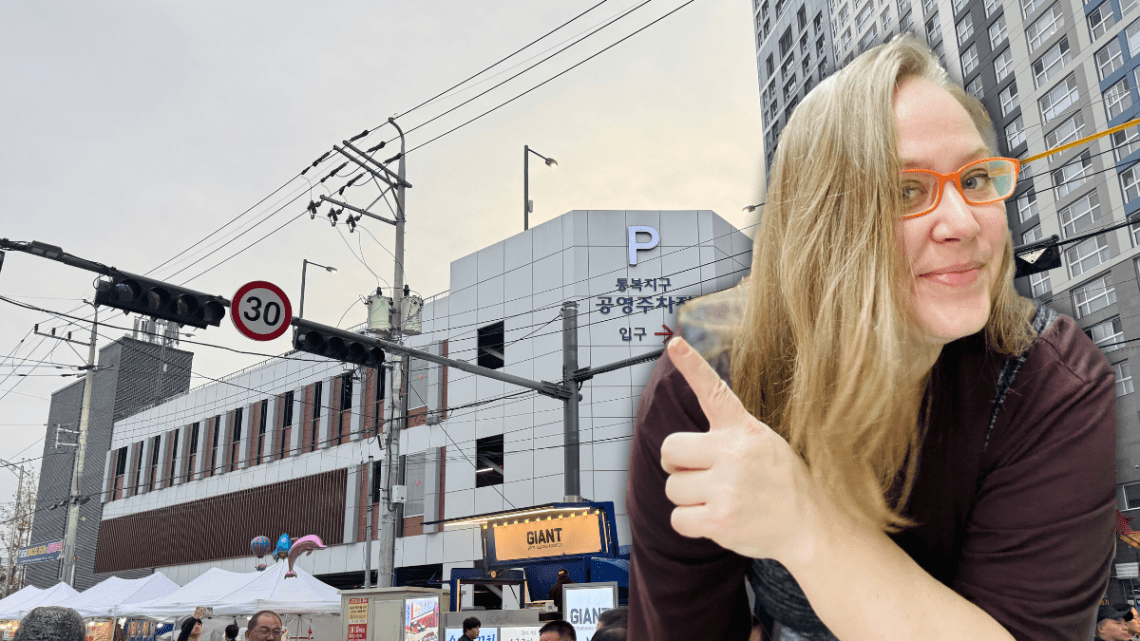
Trapped in a Korean Parking Garage: A Guide to Getting Out

Tourists and SOFA members! Did you know that many public parking garages in Korea may not accept payment via cash or international cards (debit/credit)? This means you can get unexpectedly trapped in a parking garage without an easy way out. Let’s talk about who this impacts and how to get around it. Read this to learn how to avoid getting trapped in a Korean parking garage.
Table of contents
Basics of Paying for Public Parking in Korea
Over the last five years, many (maybe even most) public parking garages across Korea went cashless. This means many city-managed and privately managed parking facilities adopted automated, cash-free, people-free payment systems.
Not ALL parking facilities have changed over, but many of them. When entering a lot, cameras typically capture your license plate number. Upon exit, you can pay at a kiosk (무인정산기) or directly at the gate. When this shift occurred, payment options for parking also changed.
Accepted Payment Options
When the parking garages switched to their automated systems, they also changed what payment options they accepted.

- Payment Methods: Local credit cards and debit cards are the most common payment types. Mobile payment apps such as KakaoPay, Naver Pay, or Samsung Pay are also widely accepted.
- Cash Acceptance: While some garages still accept cash, many are transitioning to cashless systems, especially in major cities. Maybe less than 5% of public parking in cities accepts cash.
What this Often Means for International People with no Korean Bank Account?
People in Korea on tourist visas or living on a SOFA visa find themselves stuck in Korean public parking garages without the ability to pay and leave. That’s right, they drive into the parking garage, go do their shopping or dining, and then get stuck trying to leave the parking garage while cars pile up behind them waiting to get out. It’s as stressful and uncomfortable as it sounds.
Who this Issue Impacts
Three primary populations feel the impact of this situation: 1) tourists renting cars in Korea, 2) new residents who moved to Korea but haven’t opened a Korean bank account yet, and 3) SOFA-affiliated individuals living in South Korea and working for the US Military.
Now that you know the problem exists, let’s talk about where the problem is most likely to happen. Not all public parking garages in South Korea operate in the same way, so it’s good to know the difference.
What to Do If You Get Stuck In A Parking Garage Unable to Pay?
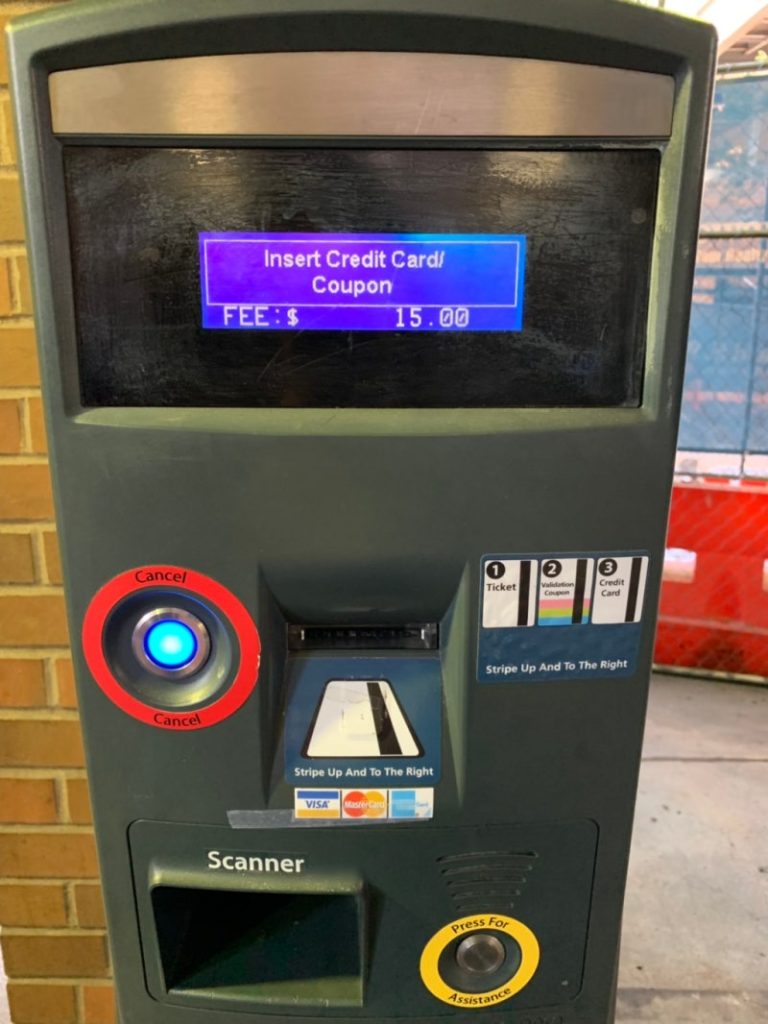
If you get stuck and unable to pay, call for help. Look for a button on the payment kiosk at the exit. This will call support. Generally speaking (but not always), this support is off-site and they may not speak English. When a person answers, tell he person on the other end of the phone that you are trapped and can’t pay. Feel free to cry for impact. Then pray they let you out. It’s likely they will let you go in order to let the rest of the people out as well. This is not a fun experience but it is the only solution if you truly have no cards that work.
Keep in mind, if/when you get stuck, your will likely be holding up exiting traffic. This means folks might honk. Sometimes folks will get out of their cars and come help explain the situation. Other times, they may even pay your parking fee if it’s small just to get things moving. A lot can happen.
Locating the Help Button
The style of payment kiosk may vary by location so just take your time and find the all button. The following images show what the parking payment machines look like:

The Kiosks May Only Have Korean Writing
If you can’t read the parking kiosks, take a photo and use Papago or ChatGPT to read the writing.
Side Note for those WITH a Korean Bank Account
IF you get stuck in a parking garage because your card isn’t working or you forgot your wallet, you can also push the button and tell the attendant your phone number. They will often text you the amount owed and a bank account to transfer the payment later. We have found ourselves in the situation a few times. It’s not a big deal, just tell them your phone number and make sure to send the money.
Alternate Payment Options That Don’t Require a Korean Bank Account
If you don’t have the option to get an FRC or a Korean bank account, you have a few options for paying for parking. We hesitate to make the following recommendations because none of these options has a 100% acceptance rate. You may want to have all the options available if you don’t have a Korean bank account.
Please note, rules for these types of cards change often, from who can sign up for them to where you an use them. They are part of the FinTech space which the government regulates closely. We will do our best to describe how they work, but changes or variations may occur based on your situation. Make sure to ask others about how they work currently.
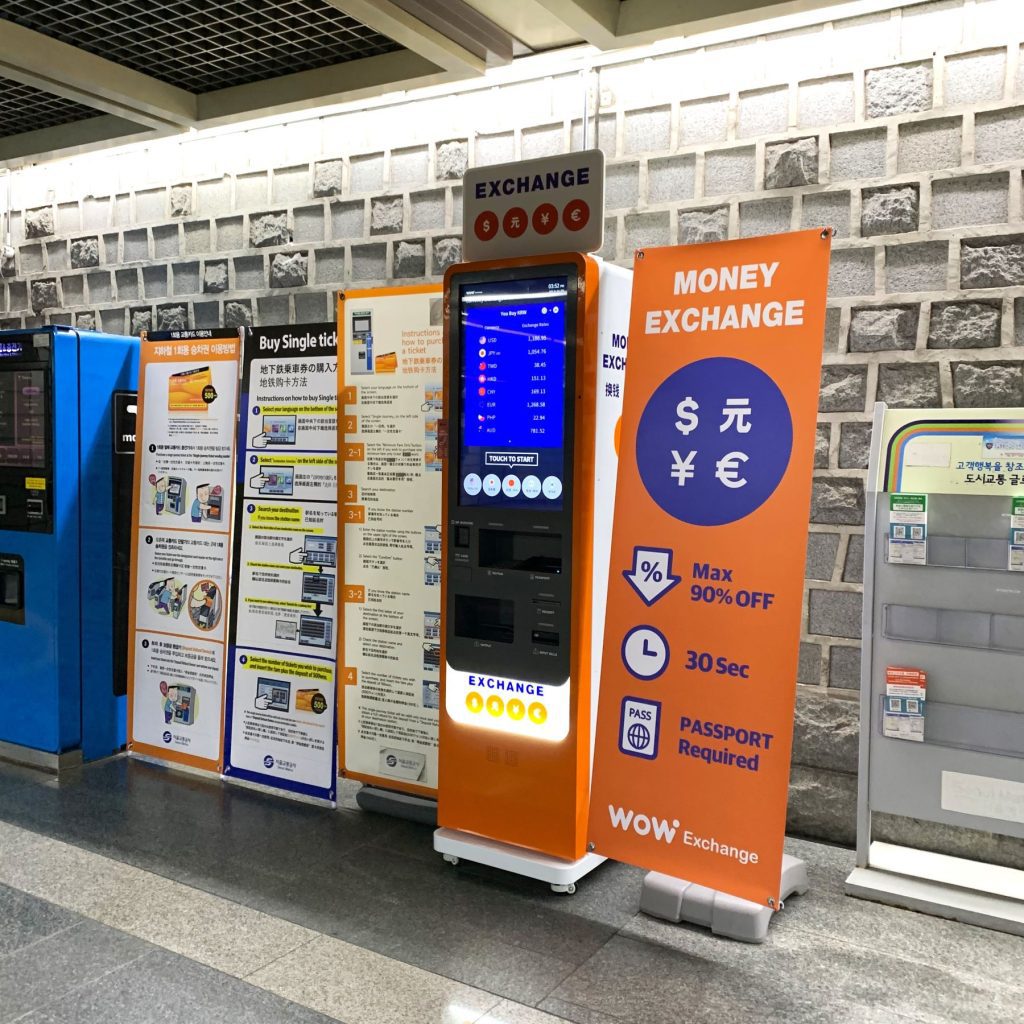
WowPass Card
The WowPass is designed for foreigners without a Korean bank account, which makes it an appealing option when you first arrive. In theory, you can use it for parking since it functions like a local debit card. However, in practice, acceptance is inconsistent: some unmanned parking kiosks will process WowPass smoothly, while others may reject it because the machines are optimized for Korean-issued cards. If you’re a tourist or new resident without an ARC, WowPass can still be worth carrying, but it shouldn’t be your only plan for paying parking fees.
Namane Card
The Namane Card is a customizable prepaid card that supports T-money functions, and it can be topped up with cash at convenience stores. While this makes it practical for transport and small purchases, its usefulness for parking is limited. Many parking kiosks do not consistently recognize Namane as a standard debit card, and if you rely on it without a local bank account connection, you may be stuck. For foreigners, Namane is better viewed as a fun lifestyle card or transit backup, rather than a reliable way to exit a parking garage, but if you have no other choice – keep it on you for when it does work for parking.
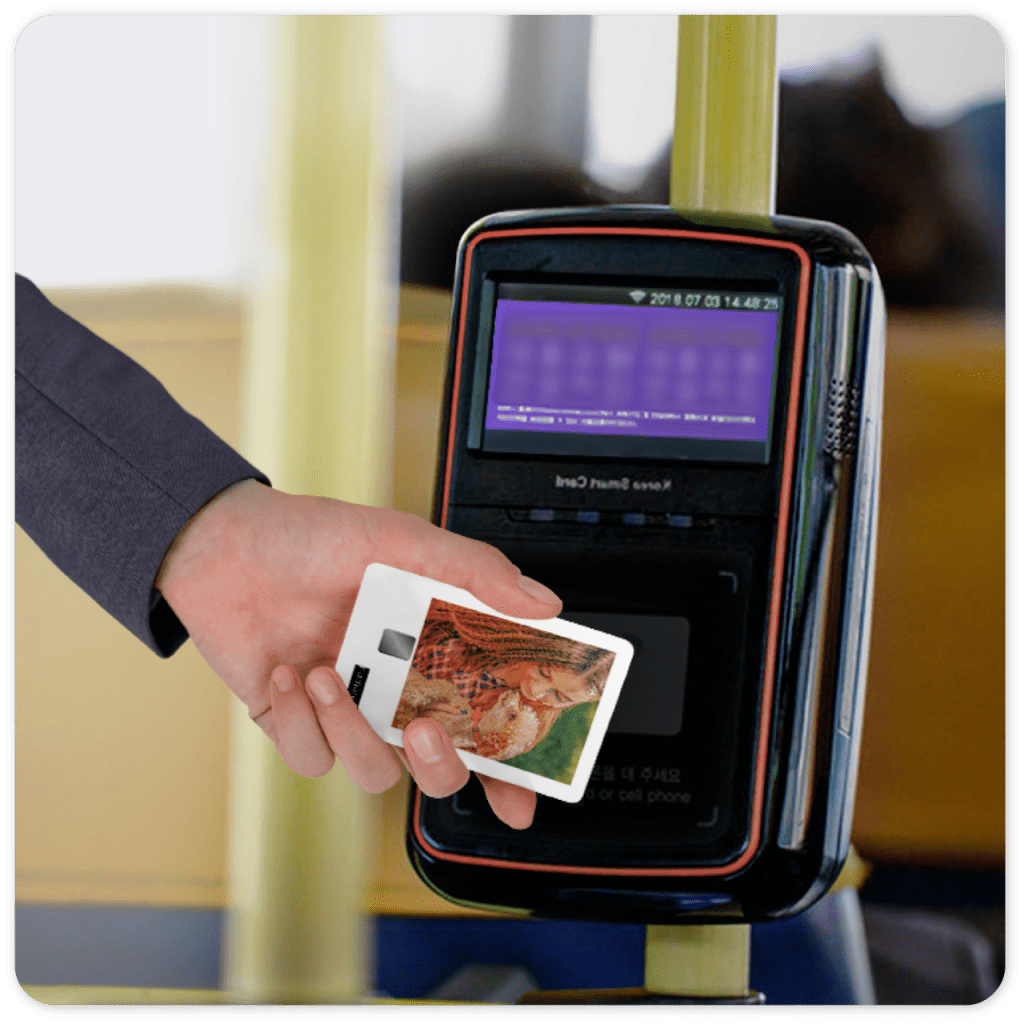
TMoney Card
The T-money card is Korea’s most widely used rechargeable transportation card, accepted on subways, buses, and taxis. In some cities, especially with city-managed public parking lots (공영주차장), T-money can also be used for paying parking fees. That said, this is not universal and you can’t rely on it 100%. Many private or automated parking garages still only accept bank cards. For foreigners, T-money is extremely convenient for daily commuting on toll-roads, but when it comes to parking, it should be seen as an occasional bonus option rather than a guaranteed payment method.

Avoiding Getting Stuck in the Parking Garage All Together
If you don’t want to get stuck in a parking garage, you have a few options.
Get a Korean Bank Account
The best way to solve your parking problems as a person living in South Korea is get a Korean bank account.
Get Parking Validated
If you are parking in a private parking lot attached to businesses, show your address when you check-out and only stay for the time the validate.
Park in Garages that Offer Free Time
Some garages near public markets may offer 1-2 hours of free parking. So, if you get in and out quickly you don’t have a problem.
No Promises
The situation around payments in parking garages is not finite. New changes and exceptions occur constantly. Unless you have an FRC and bank account in Korea, it will always be a fingers-crossed situation.

Founded in 2015, the South of Seoul team consists of volunteers on three continents working together to support English-speaking people traveling or living in South Korea. South of Seoul volunteers work with organizations and individuals across South Korea to improve equitable access to information across South Korea. Much of South of Seoul’s information focuses on Pyeongtaek, Gyeonggi-do, South Korea.
Blogs published under the authorship of “South of Seoul” include blogs compiled by multiple volunteers to improve access to standardized information unrelated to individualized personal experiences.
South of Seoul
Founded in 2015, the South of Seoul team consists of volunteers on three continents working together to support English-speaking people traveling or living in South Korea. South of Seoul volunteers work with organizations and individuals across South Korea to improve equitable access to information across South Korea. Much of South of Seoul's information focuses on Pyeongtaek, Gyeonggi-do, South Korea. Blogs published under the authorship of "South of Seoul" include blogs compiled by multiple volunteers to improve access to standardized information unrelated to individualized personal experiences.