Engineering Peace: Korean Military Machines Through the Eyes of a Future Engineer

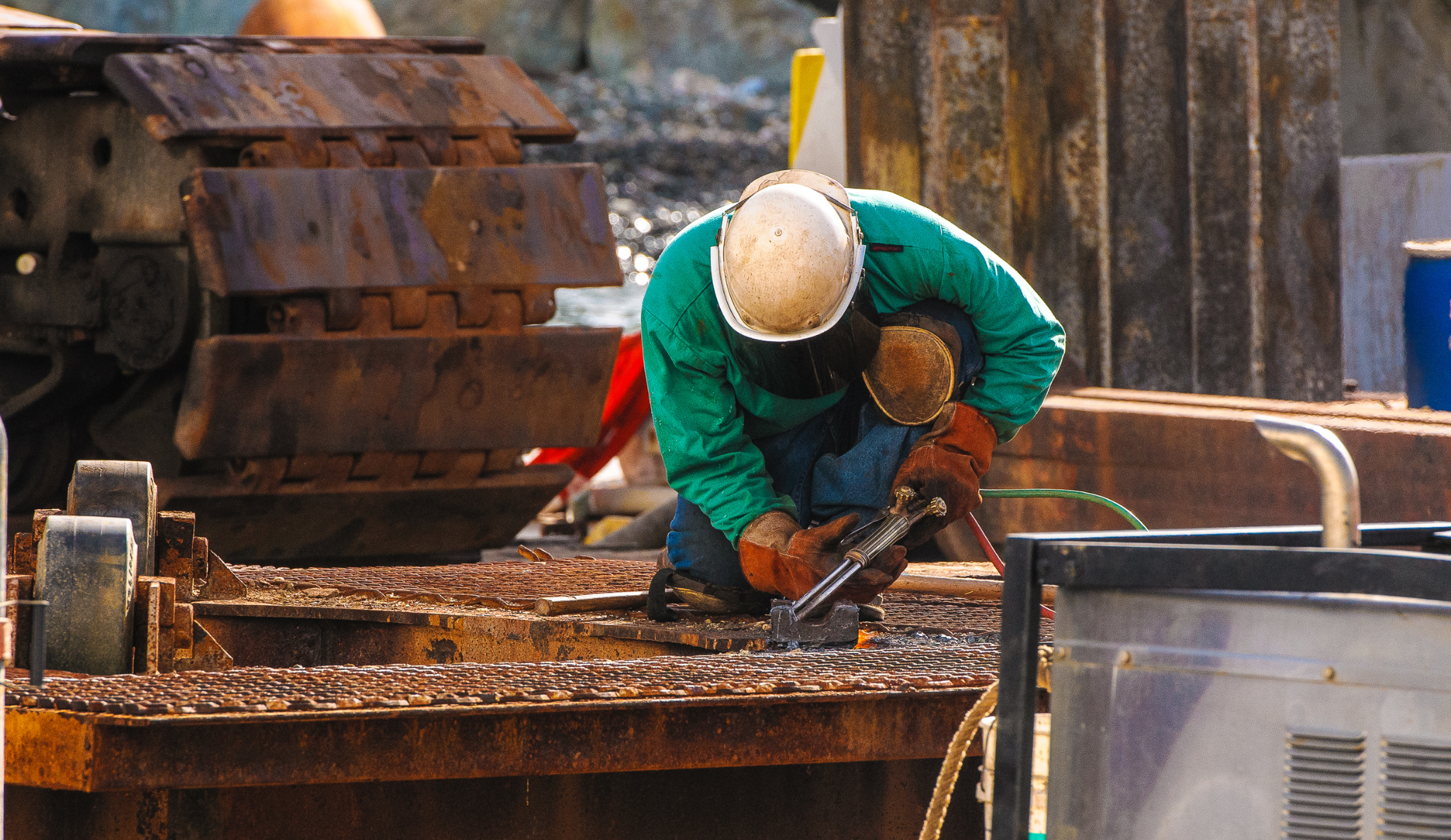
When people think about military equipment, they often focus on power, size, or destruction. However, Korean military engineering showcases systems designed to move precisely, survive extreme conditions, manage energy efficiently, and protect human lives. As a student who dreams of becoming a mechanical engineer, I see something different in these innovative designs.
I am a high school sophomore in Korea, and engineering shapes the way I understand the world. I pay attention to how machines withstand pressure, how forces act on structures, and how technology brings together physics, materials, and control systems into one working whole.
While war itself is tragic, the machines created to deter it often represent the highest level of modern engineering. These systems exist not only because of political decisions, but because engineers solved complex problems involving airflow, water resistance, energy conversion, and material strength.
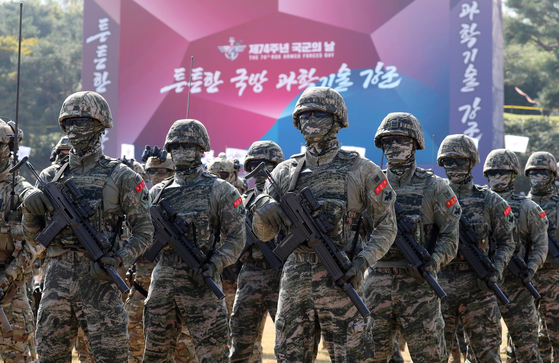
In this article, I introduce three advanced systems of the Republic of Korea Armed Forces that you may serve alongside: one in the sky, one beneath the sea, and one designed for impact. I focus on these systems from an engineering perspective, not a political one, and explain what makes them meaningful through the eyes of a future mechanical engineer.

The Sky: KF-21 Boramae
Engineering Focus: Aerodynamics, Radar, and Control Systems
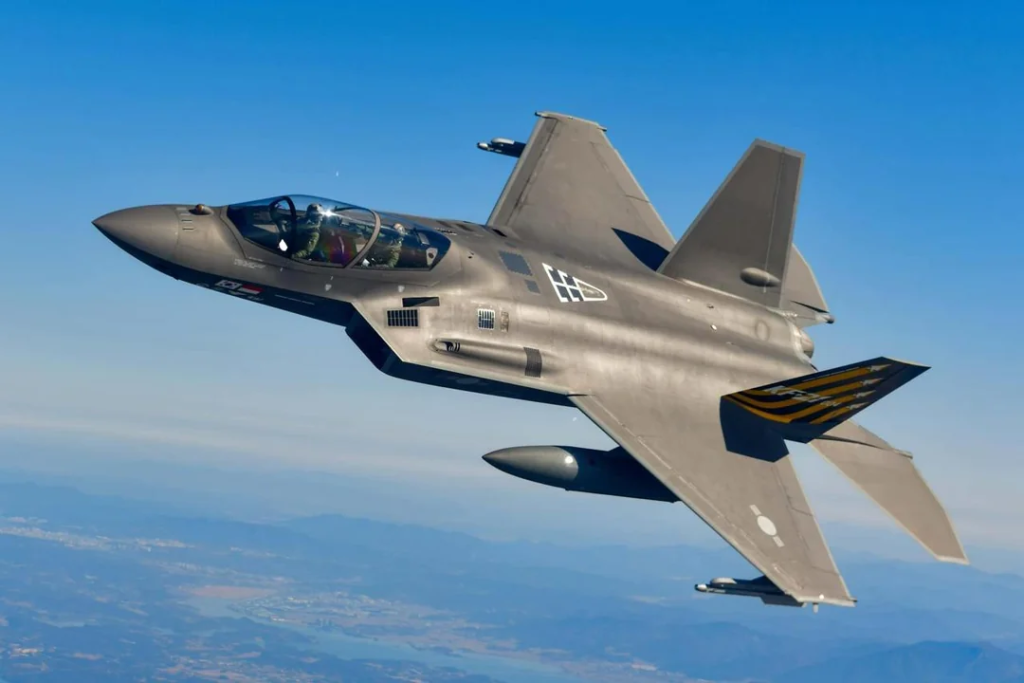
The KF-21 Boramae is not just a fighter jet. It is a highly integrated engineering system that combines aircraft shape, engine performance, and advanced sensors.
AESA Radar: Electronic Precision Without Motion
Unlike traditional radars that rotate mechanically, the Active Electronically Scanned Array (AESA) radar uses thousands of small electronic modules. These modules steer radar beams electronically, allowing the aircraft to detect and track multiple targets at once without mechanical delay. This improves reliability and reaction speed.
Twin Engines and Fail-Safe Design
From a mechanical engineering perspective, the twin F414-GE-400K engines provide both higher thrust and redundancy. If one engine fails, flight control systems can adjust the aircraft’s balance so it can still return safely.
Fly-by-Wire and Stability Control
The KF-21 uses a design choice called relaxed static stability. This reduces air resistance and improves maneuverability, but it requires constant computer correction. Fly-by-wire systems handle this task, showing how modern aircraft depend on both mechanical design and real-time software control.
The Sea: KSS-III (Dosan Ahn Chang-ho Class)
Engineering Focus: Hydrodynamics, Pressure Resistance, and Energy Systems
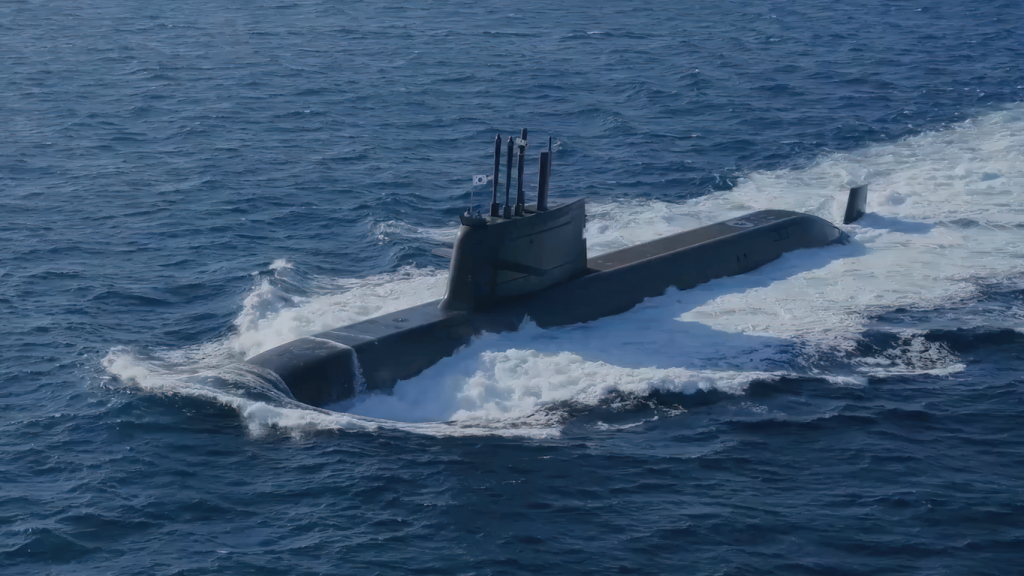
Submarines operate in one of the harshest environments on Earth. The KSS-III, a 3,000-ton diesel-electric submarine, is engineered to survive deep-water pressure while remaining difficult to detect.
Vertical Launch System: Structural Engineering Under Pressure
The KSS-III is the first conventional submarine equipped with a Vertical Launch System. Each launch tube must withstand intense water pressure while safely pushing a missile upward. This requires careful stress distribution, strong materials, and precise fluid-dynamics design.
Air-Independent Propulsion: Silent Energy Conversion
Using hydrogen fuel cells, the submarine can generate electricity without taking in outside air. This Air-Independent Propulsion system allows the submarine to remain underwater for weeks while keeping noise levels low. From an engineering perspective, it is an efficient way to convert chemical energy into electrical power.
Hull Design and Acoustic Engineering
The submarine’s hull must balance strength and stealth. Thicker hulls improve survival under pressure but can increase drag and noise. Engineers constantly manage this trade-off to maintain performance and safety.
The Impact: Hyunmoo-V Missile
Engineering Focus: Kinetic Energy, Materials Science, and Structural Integrity
In physics, we learn that force equals mass times acceleration (F = ma). The Hyunmoo-V missile demonstrates an extreme real-world application of this principle.
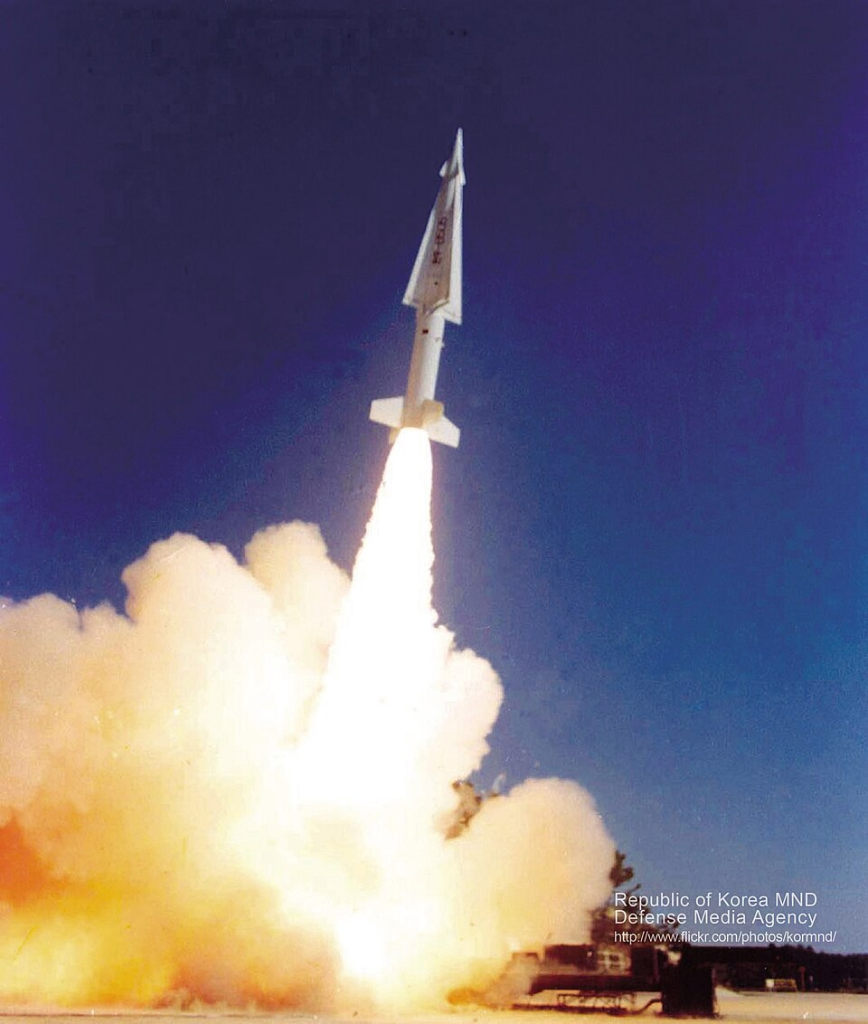
With a warhead weighing approximately 8–9 tons, its impact power relies more on speed than on explosive force.

Penetration Through Speed
At hypersonic speed, kinetic energy increases with the square of velocity. This means speed contributes more to impact strength than mass alone. When a hardened penetrator strikes the ground at such velocity, the resulting force can reach deeply buried targets.
Re-entry and Materials Engineering
To survive atmospheric re-entry and impact, the missile uses heat-resistant and high-strength materials. These materials must endure extreme heat and mechanical stress while maintaining their shape and strength.
Conclusion: Engineering as a Tool for Peace
Studying these systems helped me realize that engineering is not only about equations or blueprints. It is also about responsibility.
The KF-21, KSS-III, and Hyunmoo-V exist not to start war, but to help prevent it by making conflict irrational. As I continue my studies toward becoming a mechanical engineer, I hope to contribute to technologies that protect lives and support cooperation between nations.
Thank you for your service.
About the “Shared Voices” Initiative
South of Seoul volunteers collaborate with Korean public schools to provide students meaningful opportunities to expand their English communication experience while sharing their world views with the international community in Korea.
Through guided projects, students in Korean classrooms use digital and creative tools to express themselves in English, building confidence in their communication skills. At the same time, they learn to approach writing with empathy. They participate in guided discussions that consider different perspectives, practicing cultural awareness, and developing a deeper understanding of how their words can connect communities across borders.
It’s important to know that schools in South Korea are becoming increasingly diverse, this includes the students who participate in South of Seoul programs like “Shared Voices.”

Ja Houn Gu is a student who is deeply curious about how things move, work, and fit together. His interest in science—especially physics and chemistry—has shaped the way he understands the world and fueled his passion for mechanical engineering.
Since childhood, he has enjoyed observing machines, taking things apart, and exploring how each component contributes to a system. These experiences have strengthened his desire to become an engineer who designs complex systems and creates innovative solutions.
He is currently building his foundation by studying scientific principles and engaging in projects that help him think like an engineer. He hopes to continue learning, experimenting, and solving real-world problems, ultimately contributing to the technologies of the future.
Ja Houn Gu
Ja Houn Gu is a student who is deeply curious about how things move, work, and fit together. His interest in science—especially physics and chemistry—has shaped the way he understands the world and fueled his passion for mechanical engineering.
Since childhood, he has enjoyed observing machines, taking things apart, and exploring how each component contributes to a system. These experiences have strengthened his desire to become an engineer who designs complex systems and creates innovative solutions.
He is currently building his foundation by studying scientific principles and engaging in projects that help him think like an engineer. He hopes to continue learning, experimenting, and solving real-world problems, ultimately contributing to the technologies of the future.

You May Also Like
Guide to Long-term Ski Locker Rentals in Korea
Pyeongtaek Living 101: Class 1 & 2 Recap