Busan KCC Egis: A Guide to One of Korea’s Top Basketball Teams

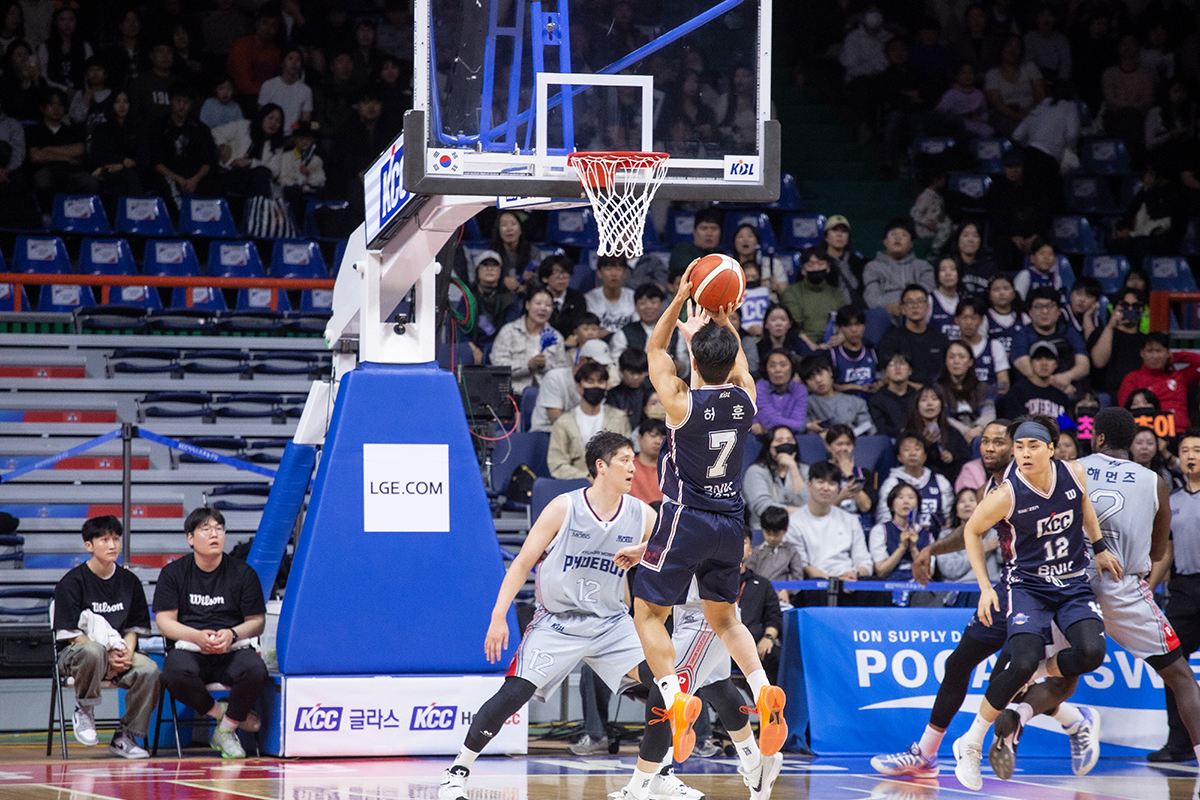
Basketball is one of the my favorite sports in South Korea, and the Korea Basketball League (KBL) is known for its fast-paced games, passionate fans, and intense rivalries. In this blog post, I would like to introduce to you one of my favorite teams: the Busan KCC Egis. The Busan KCC Egis stand out as one of the most successful and popular basketball teams in Korea.
A Championship Tradition
The Busan KCC Egis were founded in 1997 and are owned by KCC. The team is based in Busan, a major port city known for its energy, beaches, and sports culture. Over the years, the Egis have earned a strong reputation in the KBL. They have claimed multiple league championships and remain consistent playoff contenders.
Their style of play often attracts attention — balanced offense, reliable defense, and a long-standing team culture that values teamwork and determination.
Meet the Players
The Egis have featured many memorable players throughout their history. Two well-known names include:

Heo Woong (허웅)
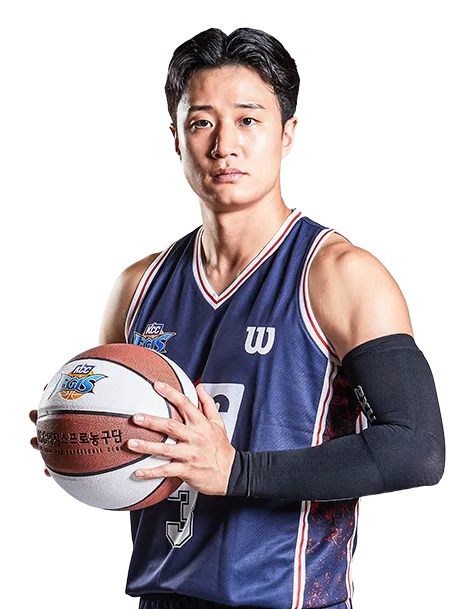
A popular shooting guard known for accurate three-point shots, quick movement, and steady decision-making. His skill and confident playing style have earned him a large fanbase.
Song Kyo-chang (송교창)

A versatile forward recognized for athletic defense, fast transitions, and powerful drives to the basket. His energy and consistency often play an important role in team performance.
Many past and current Egis players have also represented the South Korea national basketball team, reflecting the team’s high level of talent.
Fan Culture and the Stadium Experience
Watching a Busan KCC Egis game at Sajik Arena (사직실내체육관) is an experience many fans describe as exciting and memorable. The atmosphere can feel energetic, with cheers echoing through the stadium and team colors filling the stands.
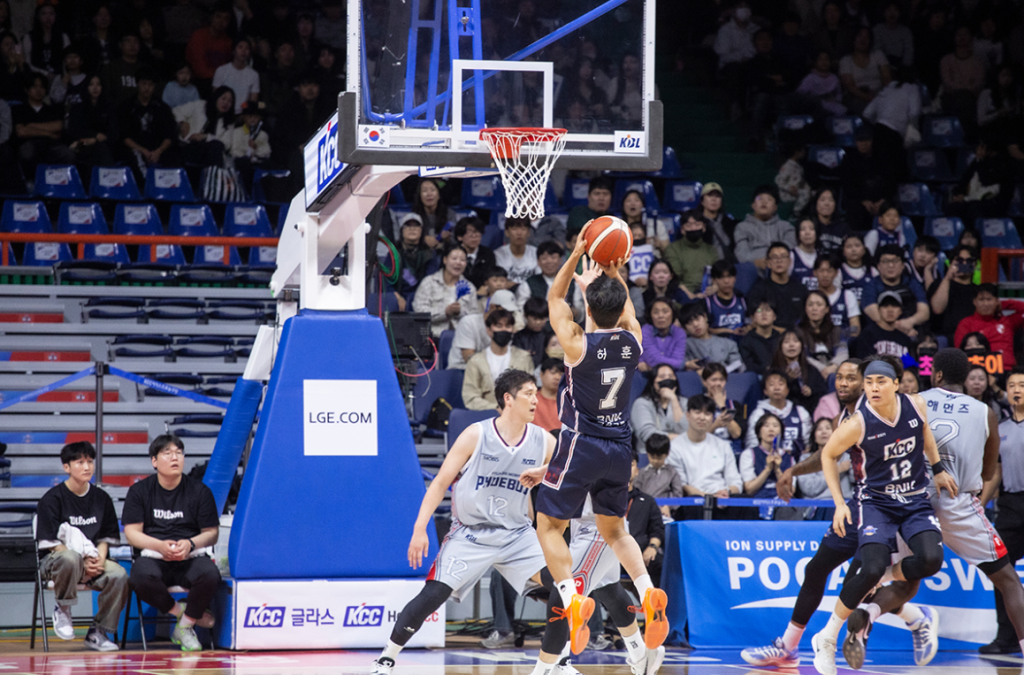
At a typical game, you may experience:
• Cheerleaders leading coordinated chants or dances
• Fans waving clappers and calling out player names
• Halftime performances and small giveaways
• Snacks, drinks, and casual Korean street-food options
For many visitors, the game feels like a mix of sports competition and live entertainment.
Why International Residents Enjoy KCC Games
A Busan KCC Egis game can be a comfortable entry point into Korean sports culture. The Sajik Gymnasium area is accessible by public transportation, and the game schedule often works well for evenings or weekends.
Attending a game may allow you to:
- Experience local Busan sports culture
- See dedicated basketball fans in action
- Enjoy fast, competitive KBL basketball
Even if you are new to the KBL, the combination of energy, music, and cheering often makes the experience enjoyable.
Plan Your Visit
If you are thinking about attending a Busan KCC Egis game, the following steps may help you plan a smooth and enjoyable visit from start to finish.
How to Get There
Sajik Indoor Gymnasium (사직실내체육관) is located in Busan’s Dongnae District. You can copy and paste the Korean name or address into Naver Maps to navigate there by car (parking may be limited during peak games).
Korean address: 부산광역시 동래구 사직로 55
However, many visitors use public transportation:
• Subway: Line 3 → Sajik Station (사직역), Exit 2. The gymnasium is about a 10–15 minute walk.
• Bus: Several local buses stop near the stadium; searching “사직실내체육관” on Naver Map or Kakao Map can help you find the best route from your location.
Buying Tickets
Ticket prices generally range from ₩12,000–₩70,000, depending on seating and demand.
Tickets are usually available in two ways:
- Online: Websites such as KBL’s official ticket platform or the Interpark ticket site sometimes offer English-friendly interfaces.
- Note:
- Booking online may require you to have an FRC/ARC and a Korean bank account or credit card. If you do not have an FRC/ARC or a Korean bank account, you can utilize concierge services for a fee to get help with booking.
- Booking ahead is recommended for weekend games.
- Note:
At the Stadium: Same-day tickets are often available at ticket counters, though popular matchups may sell out earlier.
Before the Game
Arriving a little early may give you time to:
- Find your seats without rushing
- Buy snacks (corn dogs, tteokbokki, drinks, popcorn, etc.)
- Explore merchandise booths selling jerseys, scarves, and cheering items
- Watch warm-ups and enjoy the pre-game atmosphere
Many visitors enjoy taking photos around the entrance since fans often gather wearing team colors.
During the Game
Inside the stadium, you can expect:
- Coordinated cheer sections led by cheerleaders
- Fans using clappers, drums, and chants
- Halftime performances and mini-events
- A fast-paced, energetic game environment
For newcomers, watching how fans cheer and follow the rhythms can make the experience more engaging.
After the Game
Once the game ends, you may:
- Browse for last-minute merchandise
- Take photos in front of the court or outside the stadium
- Walk to nearby cafés or restaurants in the Dongnae area for a late meal
- Use Naver Map to check return subway and bus schedules
For many fans, the post-game energy is part of the fun.
Final Thoughts
The Busan KCC Egis have built a strong reputation through their history, talented players, and loyal fanbase. Watching a game offers a chance to experience a lively part of Korean sports culture and enjoy high-level basketball in one of Korea’s most dynamic cities.
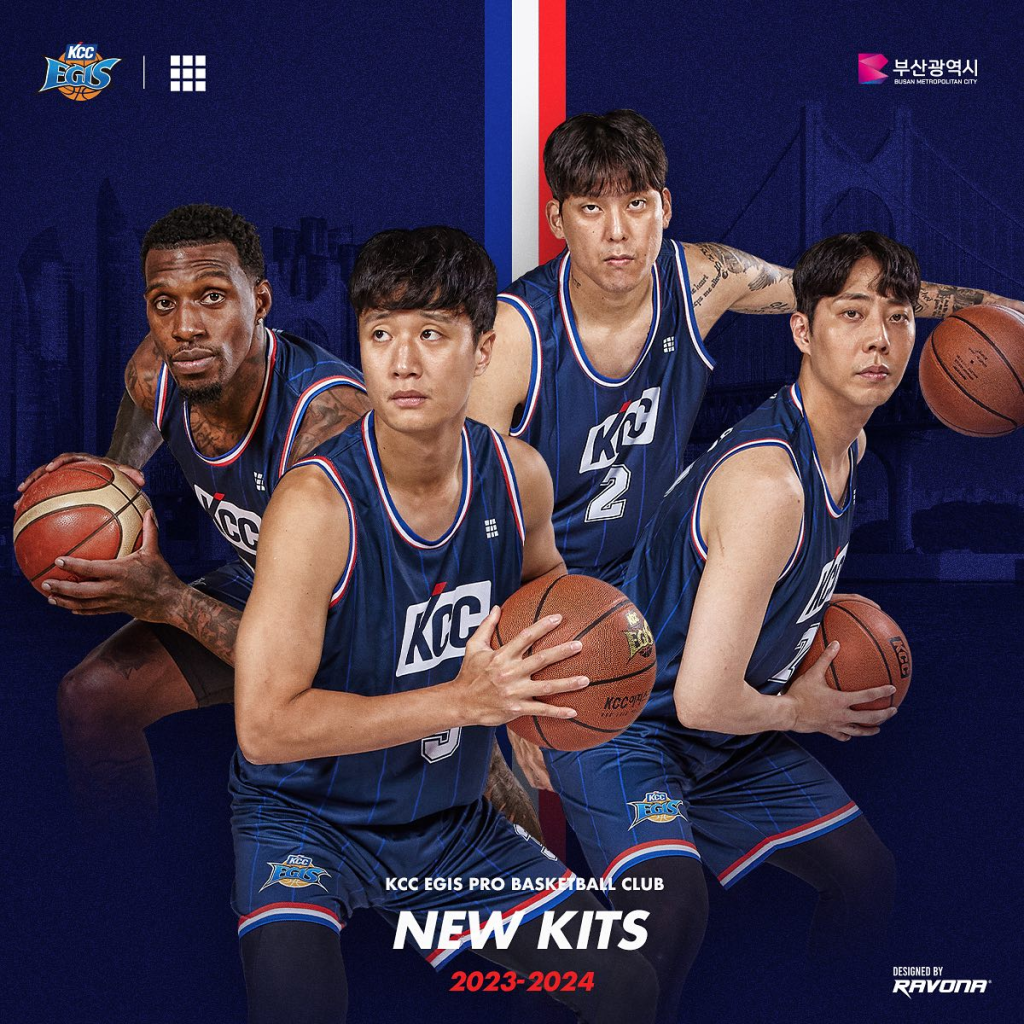
Whether you are a long-time basketball fan or just exploring local activities, a KCC Egis game may be an unforgettable part of your time in Busan.
About the “Shared Voices” Initiative
South of Seoul volunteers collaborate with Korean public schools to provide students meaningful opportunities to expand their English communication experience while sharing their world views with the international community in Korea.
Through guided projects, students in Korean classrooms use digital and creative tools to express themselves in English, building confidence in their communication skills. At the same time, they learn to approach writing with empathy. They participate in guided discussions that consider different perspectives, practicing cultural awareness, and developing a deeper understanding of how their words can connect communities across borders.
It’s important to know that schools in South Korea are becoming increasingly diverse, this includes the students who participate in South of Seoul programs like “Shared Voices.”

Jung Jun Seo is a junior at Jinwee High School. He likes baseball and generally enjoys sports. He likes other sports besides baseball as well.
Jung Jun Seo
Jung Jun Seo is a junior at Jinwee High School. He likes baseball and generally enjoys sports. He likes other sports besides baseball as well.